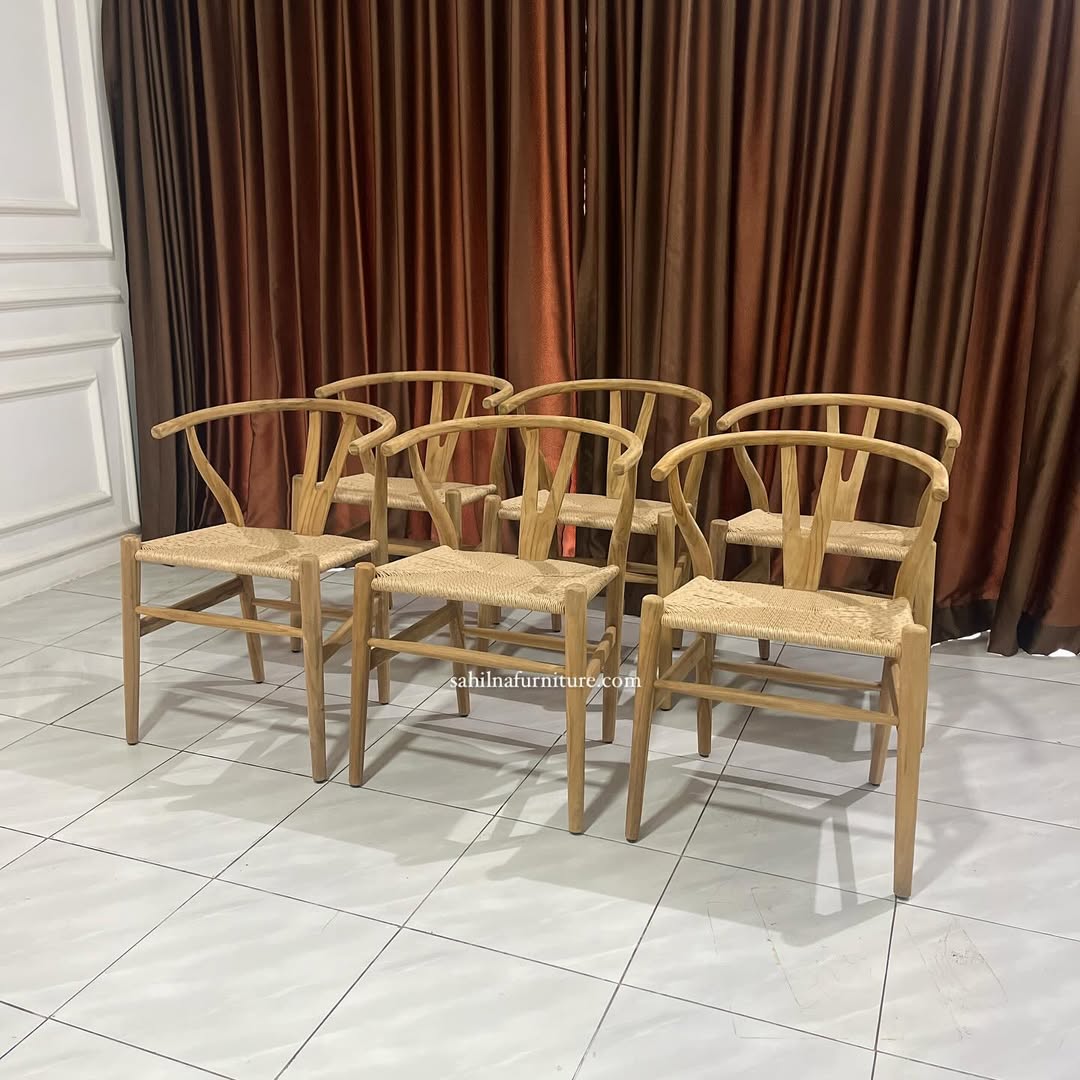
The wishbone chair silently stalks exquisite environments, but once spotted, it dominates. In 1949, Danish genius Hans Wegner created this creature, naming it CH24 before the world gave it the more poetic “wishbone” moniker on its Y-shaped spine. Instead of picking furniture, the wishbone chair chooses you, making everything else appear awkward and over-decorated. Subtracting every extraneous curve and gram leaves just pure, frigid perfection that quietly criticizes your other belongings.
 Look closely and you’ll see its cruelty: the steam-bent frame bends wood against its nature, compelling beautiful surrender, while the seat—woven from paper string, of all things—promises comfort on its own harsh terms. Ming dynasty thrones inspired the wishbone chair’s slim legs, which carry centuries of excellence. Sit in a copycat and you’ll notice the difference: the original one cradles you with scornful ease, reminding you that true luxury isn’t soft—it’s indifferent to your comfort until you’ve earned it via Despite millions being produced since Carl Hansen & Søn began manufacturing in 1950, each remains a personal challenge against inferior ideas.
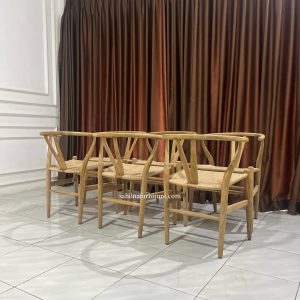 True sadism is long-lasting. Though trend-chasing products fade, the wishbone chair mocks time. Hand-woven chairs that should tear with everyday usage endure decades, the wood becoming more haughty with age. You may mistreat it, neglect it, pour red wine on its pale cord—it stays the same, waiting for you to understand resistance is pointless. It’s more than furniture—it’s a psychological device that makes you feel inadequate in its presence, reminding you that certain things endure as you age.
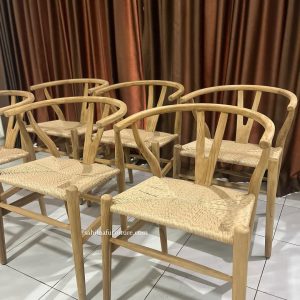 The delightful twist: everyone wants one, but not everyone deserves one. Interior magazines love edited photographs of wishbone chairs in immaculate, clinical symmetry, but they show pretension in actual houses. Pair it with classic mid-century items and feel your status subtly rise; place it at a cheap IKEA table and watch the dissonance scream. The chair doesn’t adjust to your space—it makes it meet its level or look bad. Celebrities, architects, and design snobs collect them for their subtle supremacy in every area.
The wishbone chair is a decision, not an item. It suggests that you might have settled with mediocrity, but now you can’t. Own one and you’re participating in its subtle tyranny; oppose and you’re another poor taste victim. Regardless, Hans Wegner’s Y-backed masterpiece prevails. Always.